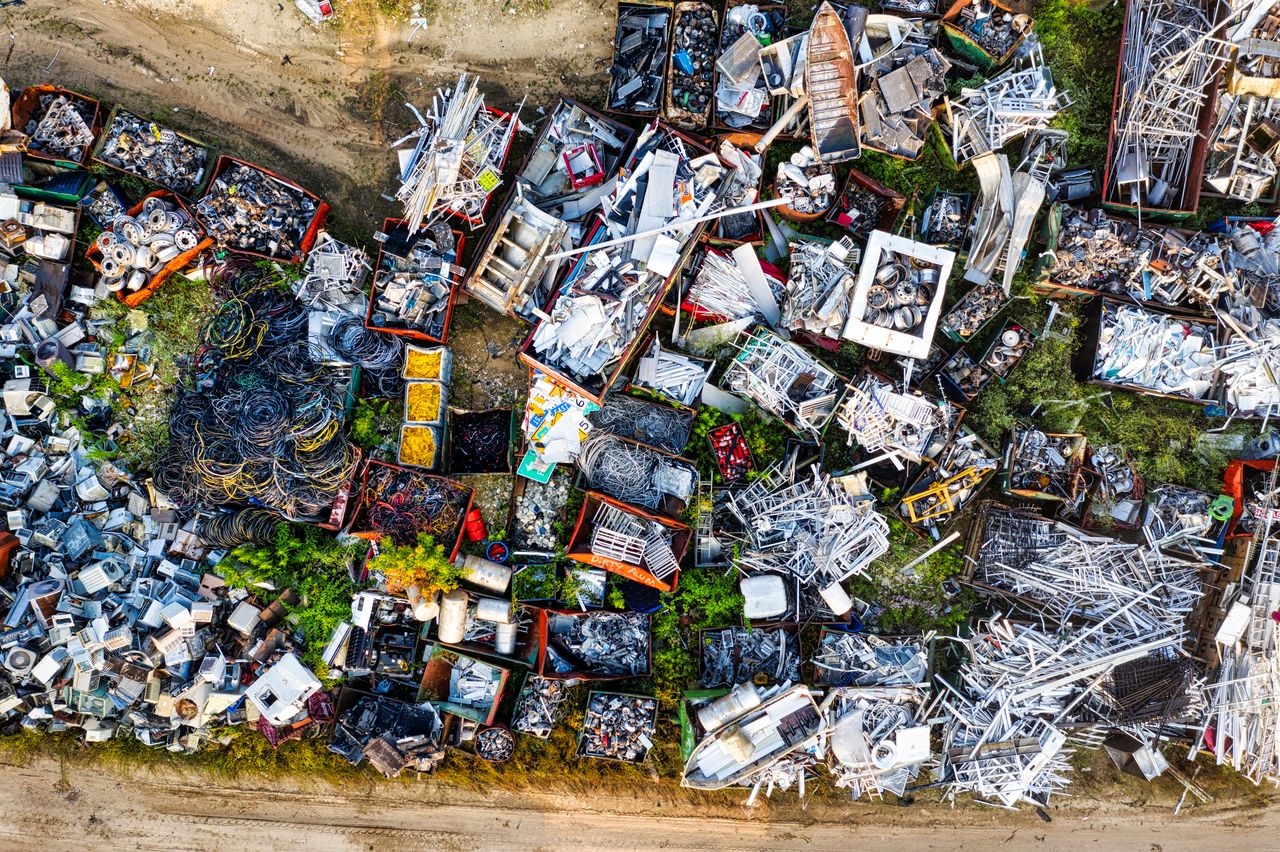
Recycling has become a familiar part of everyday life, with most people knowing to separate paper, cardboard, glass and plastic bottles from their general waste. However, there is a much wider world of recycling beyond the household recycling bin. From industrial packaging to worn-out machinery components, many materials that might otherwise be discarded still have plenty of potential.
For businesses, looking beyond the obvious can make a real difference to waste management practices, helping to reduce landfill, recover useful resources and make better use of materials that still hold value.
Rethinking What Counts as Waste
Waste is often simply a material that has reached the end of its original purpose. That doesn’t necessarily mean it has become useless. Wooden pallets, for example, may be repaired and reused, broken down for timber recovery or processed for other suitable applications. Plastic wrap and packaging can also be collected and recycled where appropriate facilities exist.
Metals offer further opportunities. Scrap metal, damaged components and redundant equipment may contain materials that can be recovered and returned to manufacturing processes. Even items such as wheel bearings from end-of-life vehicles may have recycling or material recovery potential, depending on their condition and composition.
The key is to assess waste according to what it contains and how it can be processed, rather than automatically treating it as something to throw away.
Why Businesses Should Look Beyond General Waste
For commercial premises, waste can build up in all sorts of unexpected places. Warehouses accumulate packaging, construction projects produce timber offcuts, and manufacturing operations may generate metal scraps, damaged parts and surplus materials.
Putting everything into a single waste stream can mean missing opportunities for reuse and recycling. Separating materials where practical allows them to be assessed and directed towards the most appropriate recovery route.
There may also be operational benefits. A more organised waste management system can free up valuable storage space, improve housekeeping and help businesses understand exactly what they are throwing away. Over time, this information can highlight opportunities to reduce unnecessary packaging, purchase materials more efficiently and cut avoidable waste costs.
Of course, not every material can be recycled through every facility. Contamination, mixed materials and the availability of suitable processing routes all affect what is possible. Professional advice can help businesses establish a realistic approach.
Making Better Use of Resources
The circular economy is built around keeping resources in use for as long as possible. Rather than following a simple pattern of buying, using and disposing, businesses can look for ways to repair, reuse and recover materials before considering disposal.
This might mean returning reusable packaging to a supplier, finding a second use for surplus timber or arranging for suitable plastics to enter a dedicated recycling stream. It can also involve reviewing purchasing practices to reduce the amount of waste generated in the first place.
These changes don’t have to happen overnight. Identifying the most common waste materials and exploring practical alternatives is a useful starting point.
A Smarter Approach to Waste Management
Effective waste management is about more than arranging collections. It involves understanding the materials a business produces, identifying suitable recovery options and making informed decisions about what happens next.
Working with an experienced waste management company can help organisations explore options for different waste streams, improve segregation and identify materials that may have been overlooked.
With a more considered approach, yesterday’s waste could become tomorrow’s useful resource. The first step is recognising that the recycling possibilities are often much broader than we think.
Photo by Tom Fisk via pexels.

