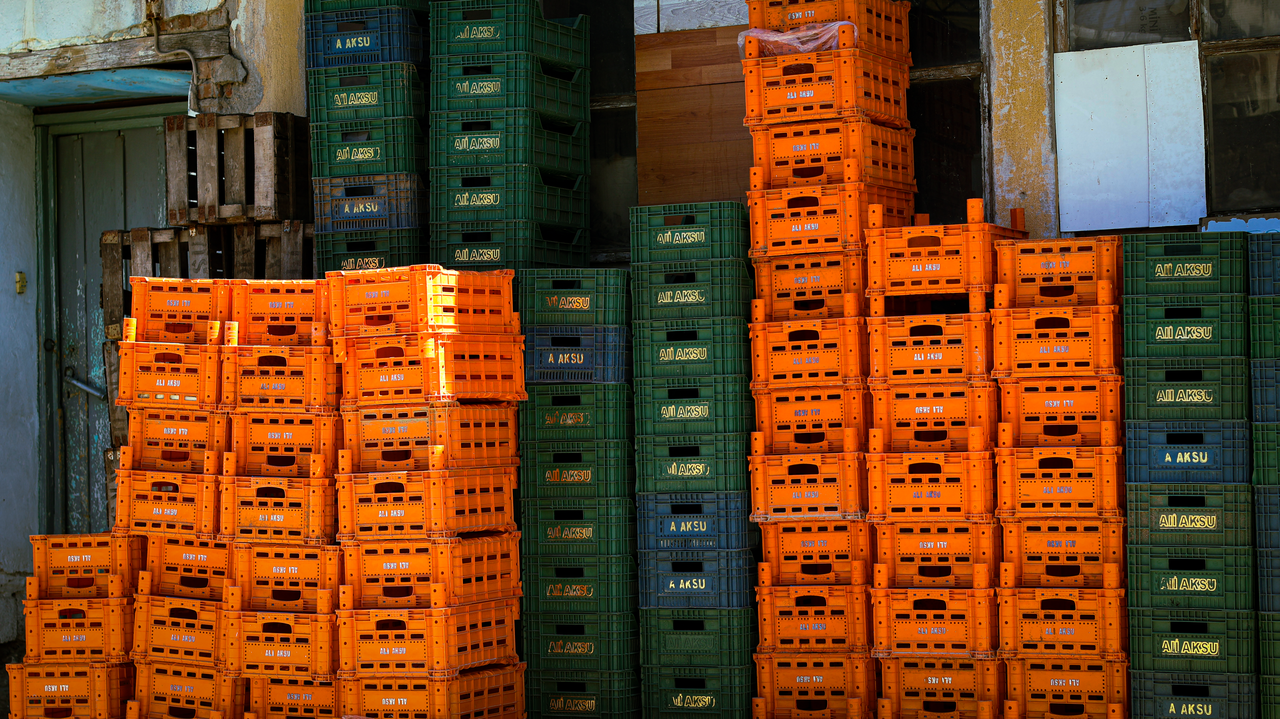
Most conversations about waste go straight to the obvious bits: overflowing bins, food miles, single-use packaging and the guilty heap under the kitchen sink. Fair enough. But some of the biggest changes happen much further back, in places most of us never see. Warehouses, farms, wholesalers and food processors make small decisions every day about how goods are stored, moved and protected, and those choices can have a large effect on how much ends up spoiled or thrown away.
That is where sturdy, reusable handling equipment comes into the picture. If produce arrives damaged, if ingredients are contaminated by poor storage, or if containers fail after only a few trips, waste rises long before a shopper reaches the supermarket. Looking at systems such as pallet boxes is not glamorous, but it does show something useful: sustainability often depends less on grand statements and more on whether practical kit survives repeated, messy, real-world use.
The unshowy side of efficiency
There is an odd tendency to treat logistics as morally neutral, though it shapes waste on a huge scale. Better handling can mean:
- less damage to fruit, vegetables and ingredients in transit
- cleaner storage in sectors where hygiene matters
- fewer disposable containers being cycled in and out
None of this makes for an inspiring slogan, but it matters. A container that can be cleaned, stacked and used again and again is part of a broader move towards durability over throwaway convenience. That progress is not always visible on a shop shelf. Sometimes it sits in the infrastructure behind it, in the ordinary objects that stop products being ruined before they ever get the chance to be used.
Photo by Rumeysa Sürücüoğlu via pexels.

