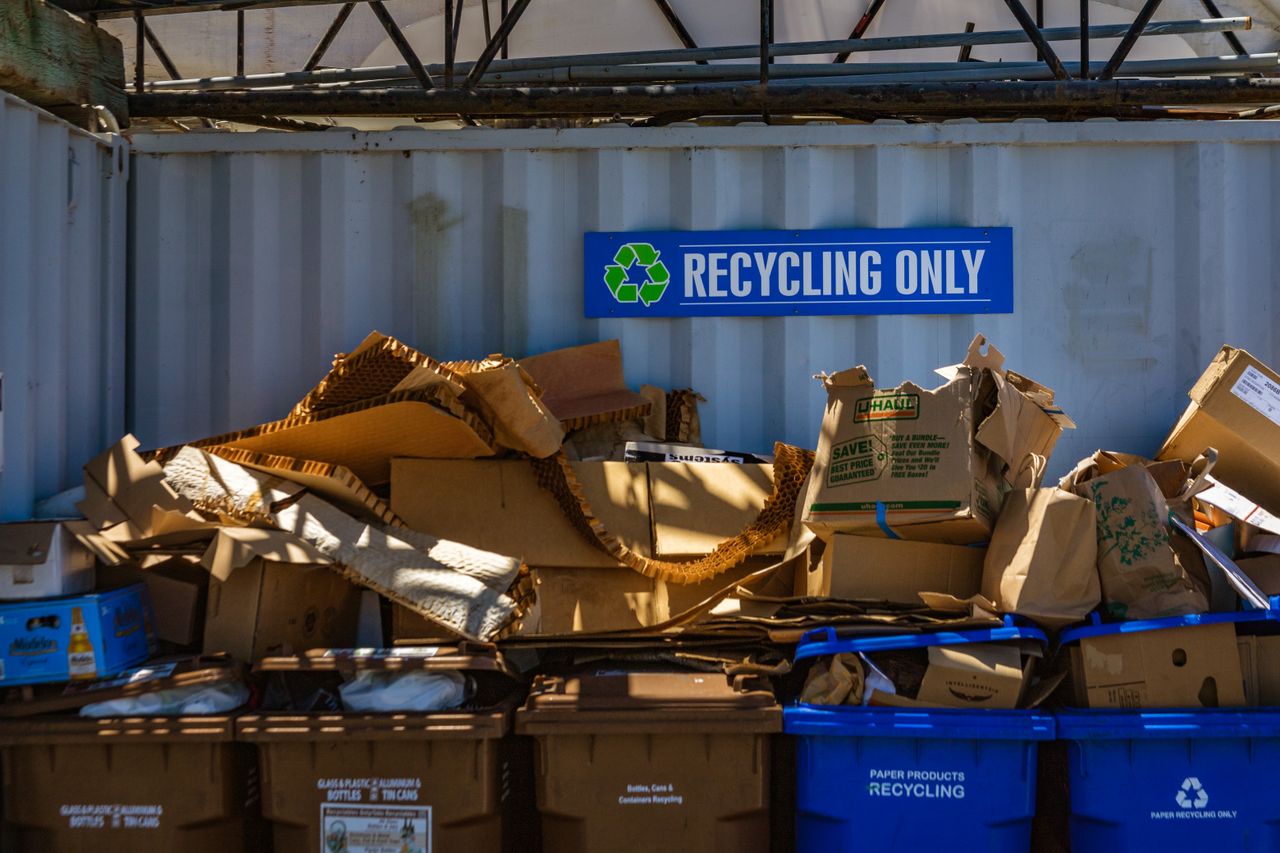
Managing waste responsibly is an important part of running a successful business. From packaging and paper to food waste, plastics and redundant equipment, most companies generate a considerable amount of waste through their day-to-day activities. Rather than sending everything to landfill, businesses can make a positive environmental difference by introducing effective recycling practices and working with professional waste management providers.
Recycling company waste is not simply about meeting environmental responsibilities. It can also help control operating costs, improve resource efficiency and demonstrate a genuine commitment to sustainability.
Understanding the Different Types of Business Waste
The first step towards better waste management is understanding exactly what a company produces. Different industries have different requirements, but common types of commercial waste include cardboard, paper, plastics, glass, metals, electrical equipment and general waste.
Manufacturing businesses may also produce scrap materials, timber, industrial packaging and other recyclable by-products. Offices, meanwhile, tend to generate larger quantities of paper, confidential documents, printer cartridges and electronic waste.
Identifying these materials makes it easier to establish suitable recycling processes. Separating recyclable items from general rubbish at the point of disposal also reduces contamination, making it more likely that materials can be recovered and reused.
Why Businesses Should Prioritise Recycling
Recycling offers several practical advantages for companies of all sizes. One of the most obvious is the reduction in waste sent to landfill. Many everyday commercial materials can be processed and turned into new products, helping to conserve natural resources and reduce the demand for virgin materials.
There are also potential financial benefits. Businesses that separate recyclable materials effectively may reduce the amount of general waste they need collected, potentially lowering disposal costs. In some circumstances, recyclable materials such as metals and certain plastics may also have resale value.
A clear approach to recycling can strengthen a company’s environmental credentials too. Customers, suppliers and business partners are increasingly interested in how organisations manage their environmental responsibilities. Demonstrating a commitment to reducing waste can therefore contribute to a more positive business reputation.
Creating an Effective Workplace Recycling System
A successful recycling programme needs to be straightforward enough for employees to follow consistently. Providing clearly labelled bins in convenient locations is a good starting point, with separate containers for materials such as paper, cardboard, plastic and general waste.
Staff should understand which materials can be recycled and how they need to be prepared. For example, some packaging may need to be flattened, while food residue can make certain recyclable materials unsuitable for processing.
It is also worth reviewing purchasing habits. Choosing products with less packaging, buying in bulk where practical and opting for reusable materials can reduce the amount of waste generated in the first place.
Regularly reviewing waste collections and volumes will help identify areas where further improvements can be made.
Working With a Professional Waste Recycling Company
For businesses producing significant quantities of waste, professional support can make a considerable difference. A specialist recycling company can assess existing waste streams, recommend suitable collection arrangements and help identify materials that could be diverted away from landfill.
Depending on the nature of the business, services may include scheduled commercial waste collections, skip hire, confidential waste disposal, cardboard recycling, metal recovery and the management of electrical waste.
Using an experienced provider also helps businesses understand their legal responsibilities. In England, businesses have a duty of care to ensure that their waste is stored, transferred and disposed of correctly. Appropriate documentation and the use of authorised waste carriers are important parts of maintaining compliance.
Making Waste Reduction Part of Everyday Business
Recycling should form part of a wider approach to resource management rather than being treated as an occasional environmental initiative. Setting realistic targets, monitoring the amount of waste produced and encouraging employees to suggest improvements can help create lasting changes.
Businesses can also look at opportunities to reuse materials internally, donate unwanted furniture or equipment and work with suppliers who offer recyclable or returnable packaging.
Small changes can have a meaningful cumulative effect, particularly when they are adopted across an entire organisation.
Building a More Sustainable Business
Taking responsibility for company waste is both an environmental consideration and a practical business decision. By identifying recyclable materials, improving workplace processes and partnering with a reliable waste management provider, organisations can reduce unnecessary disposal, make better use of resources and work towards more sustainable operations.
A well-planned recycling strategy does not need to be complicated. With the right systems and consistent staff involvement, businesses can make waste reduction a natural part of their everyday activities.
Photo by Robert So via pexels.

