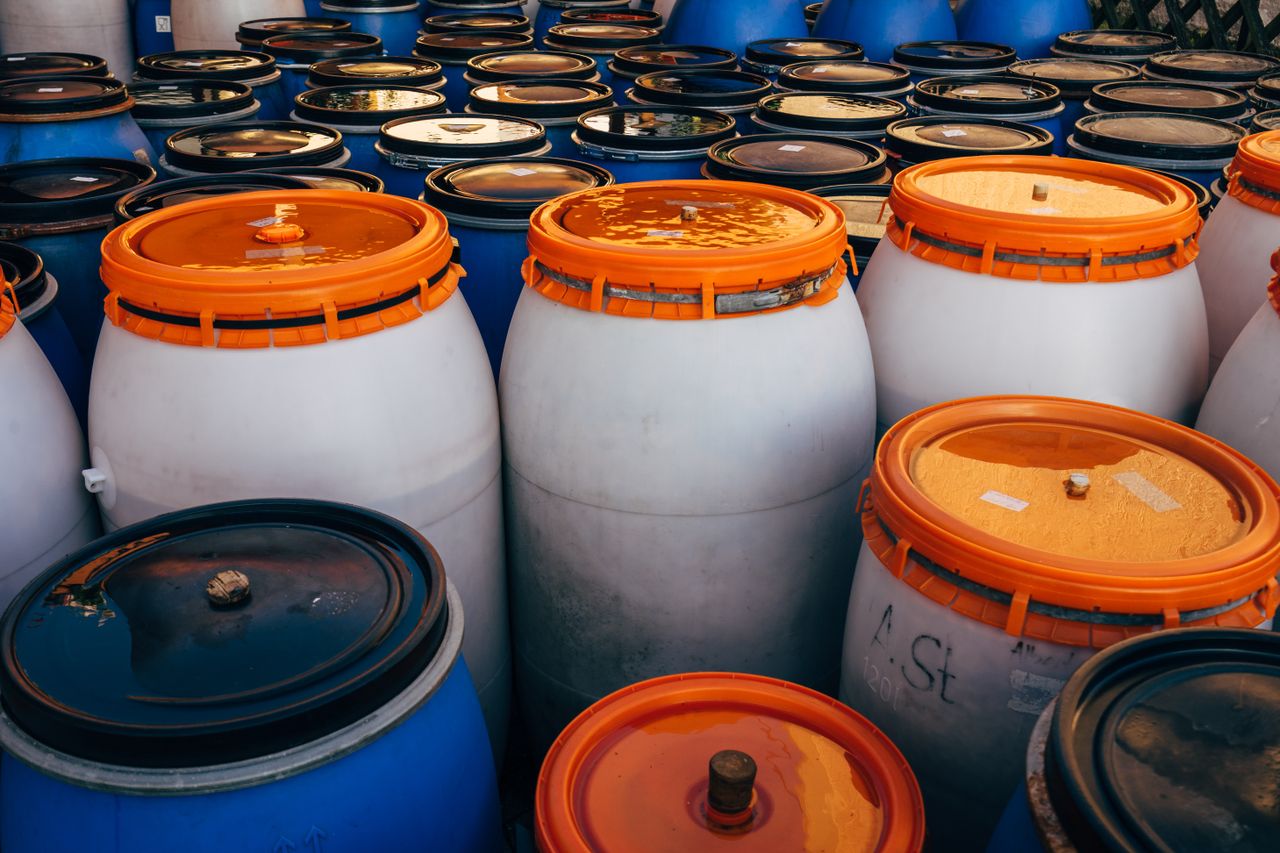
There is a practical problem that rarely makes for glamorous conversation: where, exactly, do you put liquids on a busy site without creating clutter, risk or needless expense? For smallholdings, workshops, event spaces and light industrial yards, storage choices quietly affect how the whole place works. Rainwater harvesting, washdown, cleaning fluids and non-potable water all need a secure place to go, and the wrong container can turn a tidy site into a muddle.
Many people start with improvised solutions. A few mismatched barrels here, a temporary bowser there, perhaps an old container kept in use longer than planned. It works until it doesn’t. The problem is not just capacity. It is stackability, handling, knowing what is in each container and whether the setup can be moved safely when the layout changes.
That is partly why searches for IBC tanks for sale keep appearing across so many sectors. Standardised containers appeal not because they are exciting, but because they bring order. A cube-shaped tank in a cage uses space more efficiently than many ad hoc alternatives, and that matters when every square metre is needed for something else. For operators trying to stay compliant and organised, sensible equipment is often the best investment.
The appeal of getting the basics right
Good storage decisions tend to bring knock-on benefits:
- cleaner, safer yards and work areas;
- easier stock checks and fluid monitoring;
- less time spent shifting awkward containers around.
None of this is fashionable, but it is the sort of detail that separates a site that feels under control from one that always seems to be improvising. With tighter margins and more scrutiny of waste and resource use, even humble storage equipment deserves more attention than it usually gets.
Featured image credit: Marcus Winkler for Pexels.
