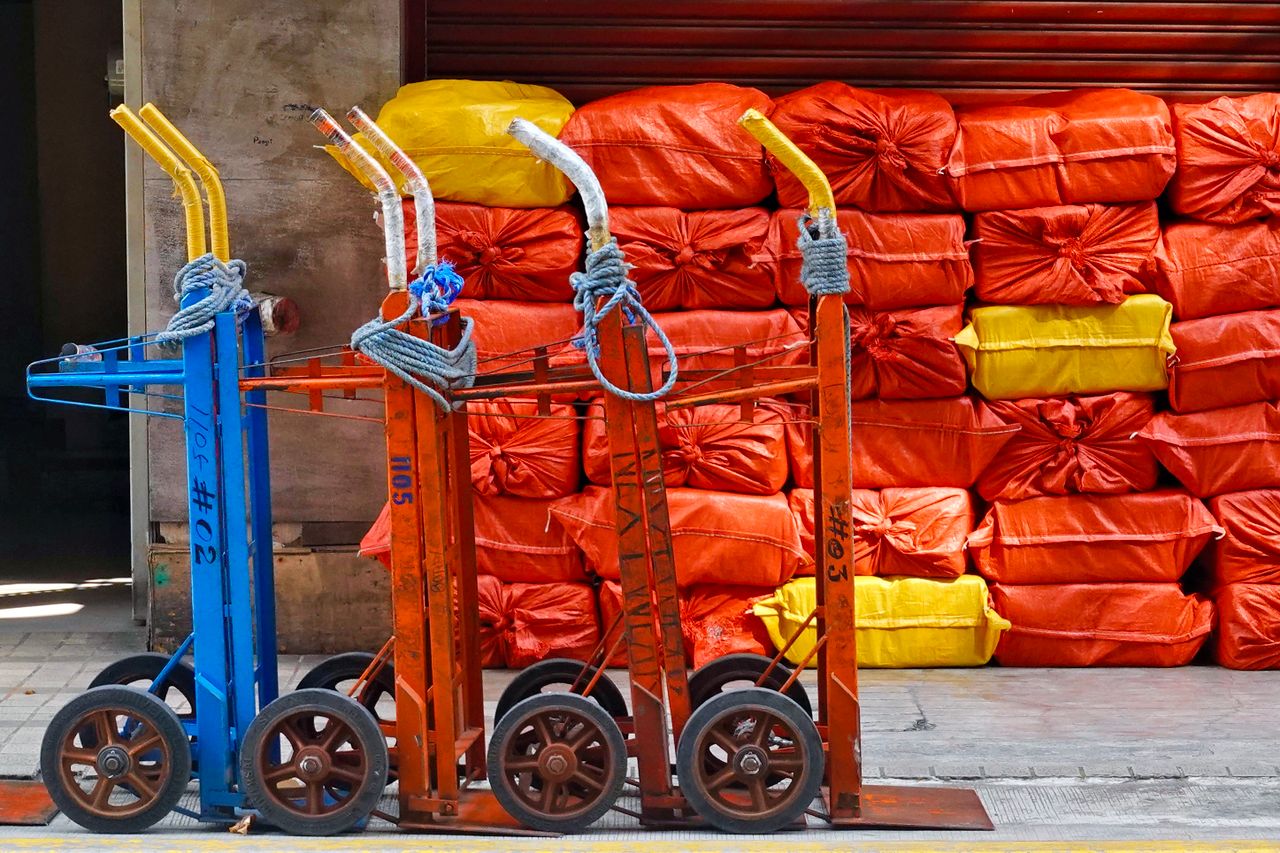
Manual handling is often a systems problem, not a staff problem. When a workplace sees a spike in strains, near misses or awkward transfers, the first instinct is often to talk about technique. Training matters, but it can also become a convenient way to pretend the problem sits entirely with staff behaviour. In hospitals, care settings and large public buildings, manual handling failures often come down to the environment, planning and the equipment in use.
A porter trying to manoeuvre a loaded trolley through a tight turn, or a carer attempting a safe transfer in a cramped room, is working within a system that has been designed well or badly. Flooring, door widths, storage, maintenance and staffing levels all affect the result. Procurement does too. Buying on unit price alone may look efficient on paper, until equipment is unavailable, unsuitable or left unused because no one trusts it.
That is why facilities teams and care managers increasingly treat moving and handling equipment as part of operational resilience, not a box-ticking exercise. The right specification can reduce injury risk, protect dignity and save time during a shift. Just as importantly, it shows that an organisation sees manual handling as a duty of care issue, not just a training record to update once a year.
What Sensible Buyers Tend To Look For
- Fit for the setting: not every ward, home or site has the same constraints.
- Ease of use: if equipment is awkward, staff will work around it.
- Maintenance and support: downtime creates risk very quickly.
- Staff confidence: practical familiarity matters as much as availability.
The organisations that get this right rarely start with “compliance”. They talk about fewer injuries, smoother routines and less avoidable stress for staff and residents alike. That is a better way to judge whether a manual handling strategy is working.
Featured image credit: by Ann Maika Medina via Pexels.